Dental implants have revolutionised the way we approach tooth replacement, offering a permanent solution that looks, feels, and functions like natural teeth. Whether you’re missing a single tooth or require a full mouth reconstruction, dental implants provide a durable and aesthetically pleasing option. In this comprehensive guide, we’ll explore everything you need to know about dental implants, including the procedure, benefits, costs, and aftercare.
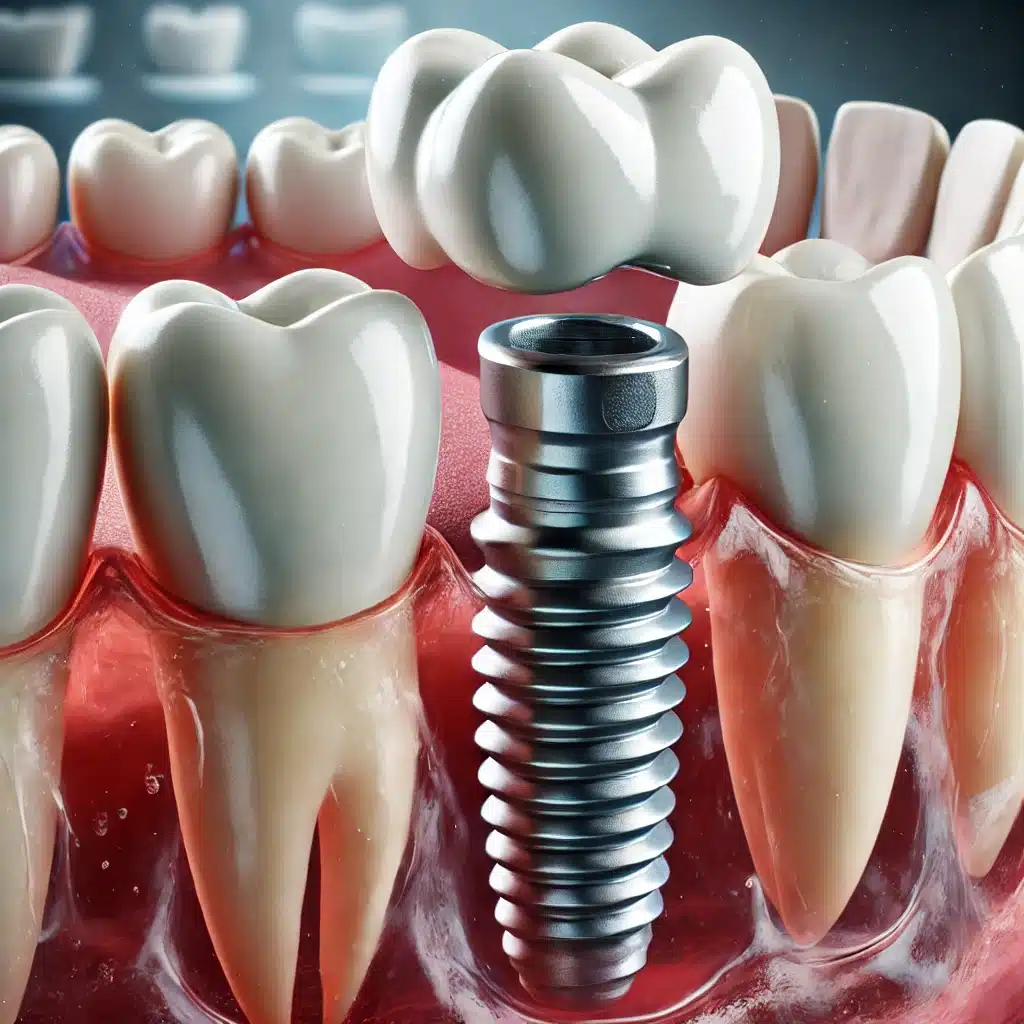
A dental implant, also referred to as an endosseous implant or fixture, is a prosthetic device designed to integrate with the bone of the jaw or skull. It serves as a support structure for various dental prosthetics, including crowns, bridges, dentures, or facial prostheses, and can also function as an anchor in orthodontic treatments.
What Are Dental Implants?
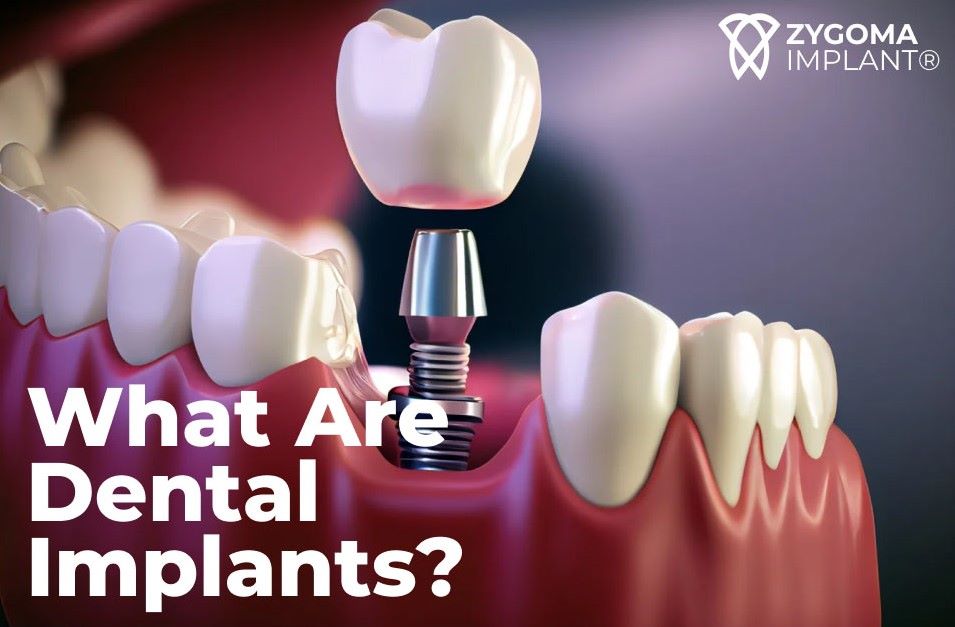
Dental implants are artificial tooth roots made from biocompatible materials like titanium. These implants are surgically placed into the jawbone, providing a sturdy foundation for replacement teeth, such as crowns, bridges, or dentures. Unlike traditional dentures, dental implants are anchored directly into the jawbone, preventing bone loss and maintaining facial structure.
The Dental Implant Procedure
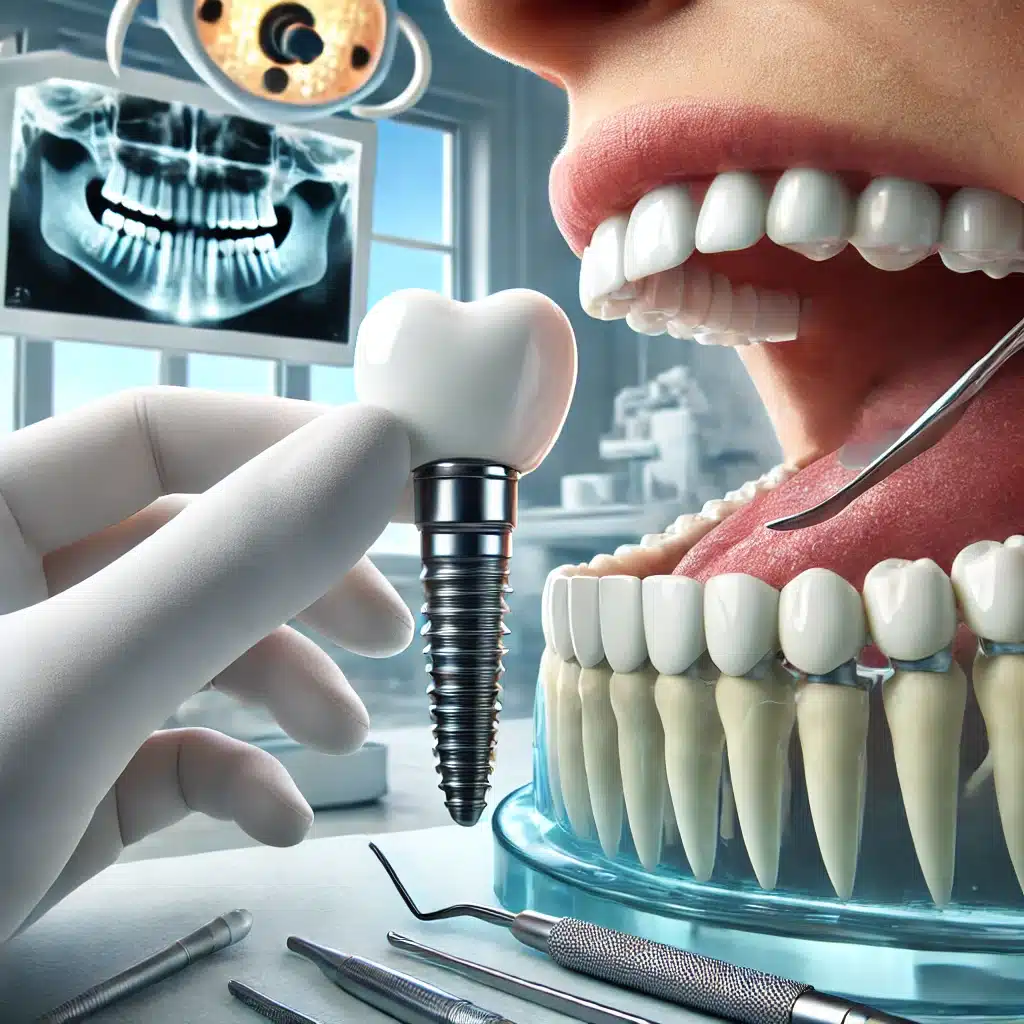
- Initial Consultation: The process begins with a thorough dental examination, including X-rays and 3D imaging, to assess the health of your jawbone and determine the best placement for the implants.
- Implant Placement: During the surgical procedure, the dentist or oral surgeon inserts the titanium post into the jawbone. This stage typically requires local anaesthesia, although sedation options are available for those who need them.
- Osseointegration: Over the next few months, the implant fuses with the jawbone in a process called osseointegration. This creates a strong and stable base for the replacement tooth.
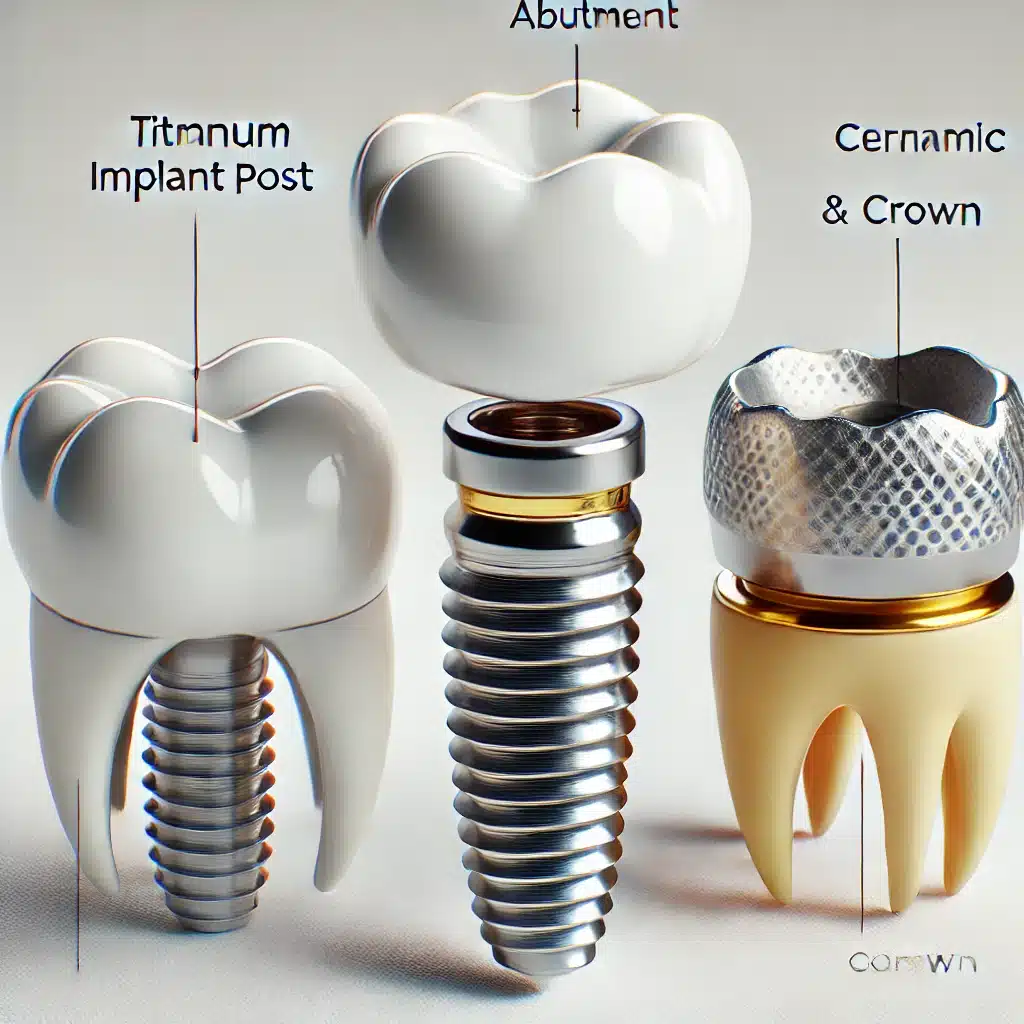
- Abutment Placement: Once osseointegration is complete, an abutment is attached to the implant post. The abutment serves as the connector between the implant and the replacement tooth.
- Crown Placement: Finally, a custom-made crown is attached to the abutment. The crown is designed to match the colour, shape, and size of your natural teeth, ensuring a seamless appearance.
Benefits of Dental Implants
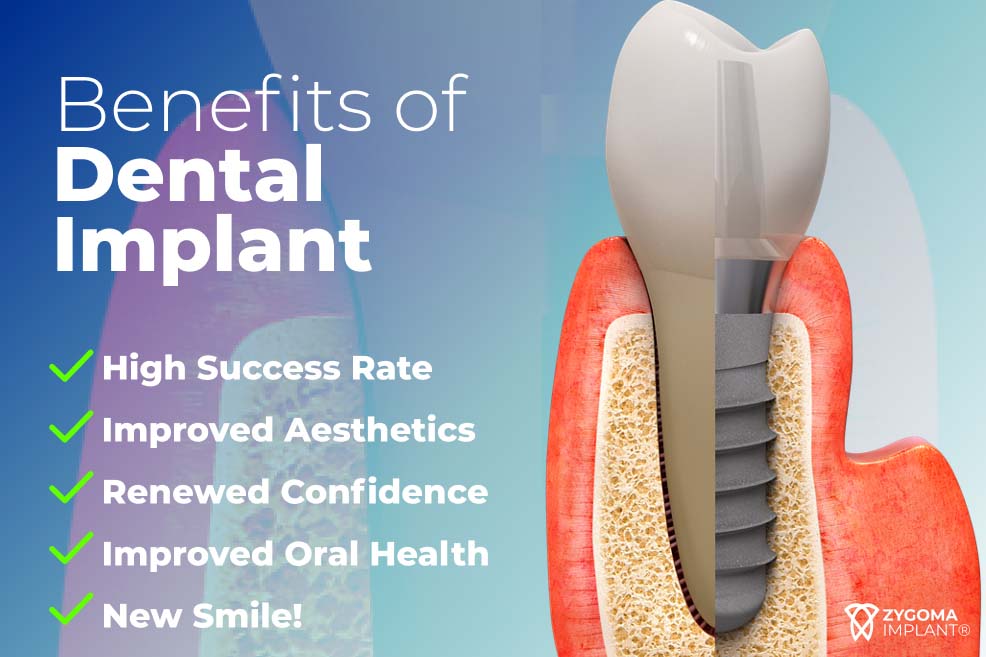
- Natural Appearance: Dental implants look and feel like your own teeth. Because they are designed to fuse with bone, they become permanent.
- Improved Speech: Unlike poor-fitting dentures, implants allow you to speak without the worry that teeth might slip.
- Comfort and Convenience: Implants eliminate the discomfort of removable dentures and the need for messy adhesives.
- Durability: With proper care, dental implants can last a lifetime.
- Bone Preservation: Dental implants prevent bone loss and maintain the natural shape of your face.
Costs and Financing Options
The cost of dental implants in the UK can vary depending on several factors, including the number of implants needed and the complexity of the procedure. On average, a single dental implant can cost between £1,000 and £3,000. However, many dental practices offer financing options and payment plans to make the treatment more affordable.
Aftercare for Dental Implants
Proper aftercare is essential to ensure the longevity of your dental implants. Here are some tips to maintain your implants:
- Oral Hygiene: Brush and floss your teeth regularly to keep your gums and implants clean.
- Regular Check-ups: Visit your dentist regularly for check-ups and professional cleanings.
- Avoid Hard Foods: Avoid chewing on hard items such as ice and hard candies to prevent damage to your implants.
- Quit Smoking: Smoking can weaken the bone structure and compromise the success of the implant.
What materials are dental implants made of?
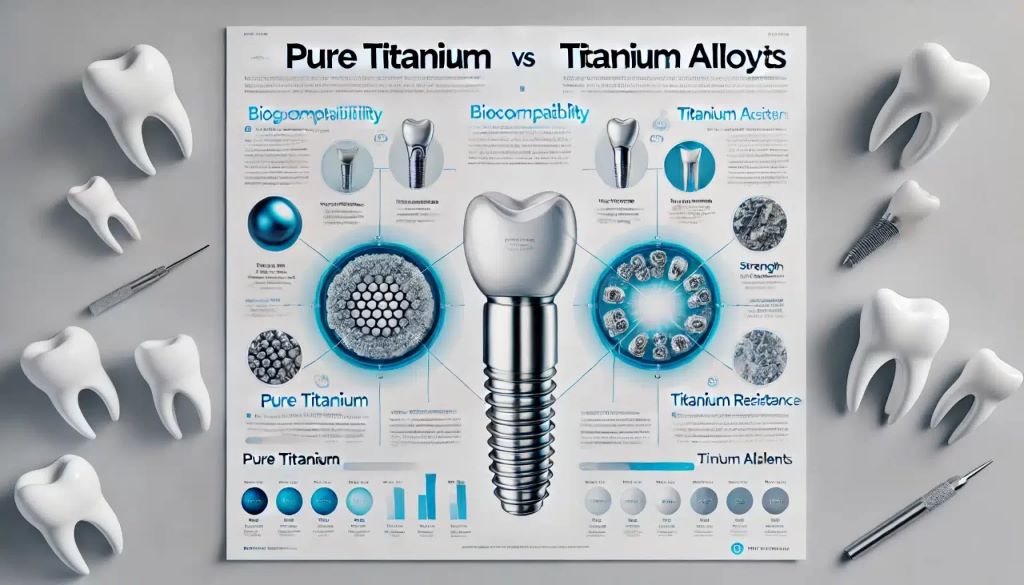
Dental implants are made from materials that are biocompatible, durable, and able to integrate well with the jawbone. Here are the primary materials used in dental implants:
Titanium
Description: Titanium is the most commonly used material for dental implants. It has a long history of successful use in medical and dental applications.
Advantages:
- Biocompatibility: Titanium is well-tolerated by the body and rarely causes allergic reactions.
- Osseointegration: Titanium has the unique ability to fuse with bone, a process called osseointegration, providing a stable foundation for the implant.
- Durability: It is highly durable and resistant to corrosion, ensuring long-term success.
- Lightweight: Despite its strength, titanium is lightweight, which is advantageous for dental applications.
Titanium Alloys
Description: Titanium alloys, such as Ti-6Al-4V (titanium, aluminum, and vanadium), are used to enhance the properties of pure titanium.
Advantages:
- Enhanced Strength: Alloys improve the mechanical strength and fatigue resistance of the implant.
- Improved Osseointegration: Certain alloys may enhance the osseointegration process.
Zirconia (Zirconium Dioxide)
Description: Zirconia is a ceramic material used as an alternative to titanium for dental implants.
Advantages:
- Aesthetic Appeal: Zirconia implants are tooth-colored, which makes them more aesthetically pleasing, especially for front teeth.
- Biocompatibility: Zirconia is highly biocompatible and hypoallergenic, making it suitable for patients with metal sensitivities or allergies.
- Corrosion Resistance: It is resistant to corrosion and wear.
- Low Plaque Affinity: Zirconia has a lower affinity for plaque accumulation compared to titanium.
Stainless Steel
Description: Stainless steel is sometimes used in temporary implants or abutments but is not commonly used for permanent dental implants due to its lower biocompatibility compared to titanium and zirconia.
Advantages:
- Cost-Effective: Stainless steel is more affordable than titanium and zirconia.
- Sufficient Strength: It provides adequate strength for temporary use.
Polyetheretherketone (PEEK)
Description: PEEK is a high-performance polymer used in some dental applications, though it is less common for implants.
Advantages:
- Lightweight: PEEK is lighter than metal options.
- Biocompatibility: It is biocompatible and can be used in various medical applications.
- Flexibility: PEEK has a certain degree of flexibility, which can be advantageous in some dental applications.
Conclusion
The choice of material for dental implants depends on various factors, including the patient’s specific needs, aesthetic considerations, and any potential allergies or sensitivities. Titanium and its alloys are the most commonly used materials due to their excellent biocompatibility, strength, and successful track record. Zirconia is a valuable alternative for patients who prefer a metal-free option or require a more aesthetically pleasing solution. Consulting with a dental professional can help determine the most suitable material for your dental implant needs.
Frequently Asked Questions
Q: Are dental implants painful?
A: The procedure itself is performed under anaesthesia, so you should not feel pain during the implant placement. Some discomfort is normal during the healing process, but this can be managed with over-the-counter pain medication.
Q: How long do dental implants last?
A: With proper care, dental implants can last a lifetime. Regular dental visits and good oral hygiene are crucial for maintaining their longevity.
Q: Am I a candidate for dental implants?
A: Most people who are in good health and have sufficient jawbone density are suitable candidates for dental implants. A consultation with your dentist can determine if implants are right for you.